How do you choose the right electric hydrofoil board for calm coastal waters?
Matching board volume, wings, and range to gentle bays and a relaxed, confident ride.
Clear guidance for discerning riders weighing premium electric hydrofoil boards, from battery range and wings to the craftsmanship that lasts.
An independent guide. We may earn a commission from some links, at no extra cost to you.
Labor Day and the honest math. After a full summer you finally know how often you really ride. September is the right moment to turn that number into a cost per session and see whether ownership makes sense.
Calculate your cost per rideThe balanced choice most serious riders should weigh first, pairing range with refined handling. Carbon-reinforced construction, Interchangeable wing options, Extended-range battery.
An efoil promises the sensation of silent flight, yet the wrong board turns that promise into frustration. Twitchy handling, a battery that fades early, a hull that shows its seams after a season of salt water. The differences are easy to miss until you are on the water.
Riders face confident specifications and little context for what they mean in practice. This guide translates volume, wing area, and battery figures into how a board actually behaves for your weight, your water, and your skill, so the craft you choose rewards you for years.
The details that separate a considered purchase from an expensive mistake at this level.
A premium battery should deliver a genuine, dependable ride time and recharge reliably for hundreds of cycles. Look past headline figures to real-world range at your weight and cruising speed, which is what you will actually feel.
Higher volume boards float better and forgive early mistakes, while lower volume boards reward experience with agility. Matching volume to your weight and skill is the single biggest factor in how quickly you progress.
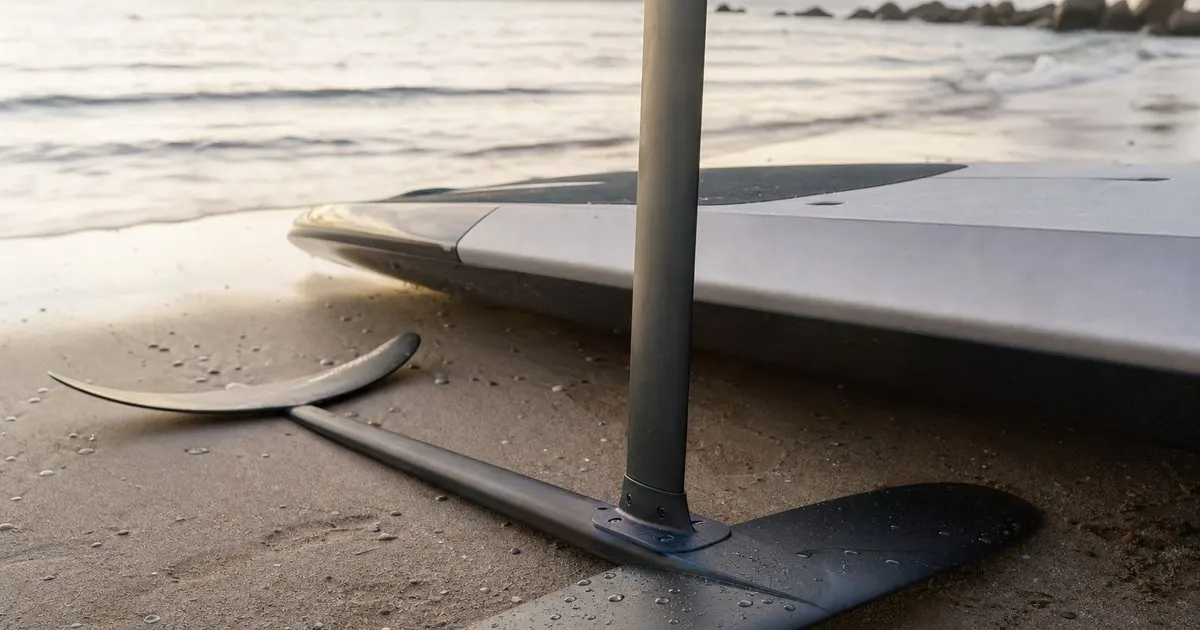
Larger front wings lift sooner and fly slower, ideal for learning; smaller wings suit speed and carving. A considered board offers interchangeable wings so it grows with your ability.
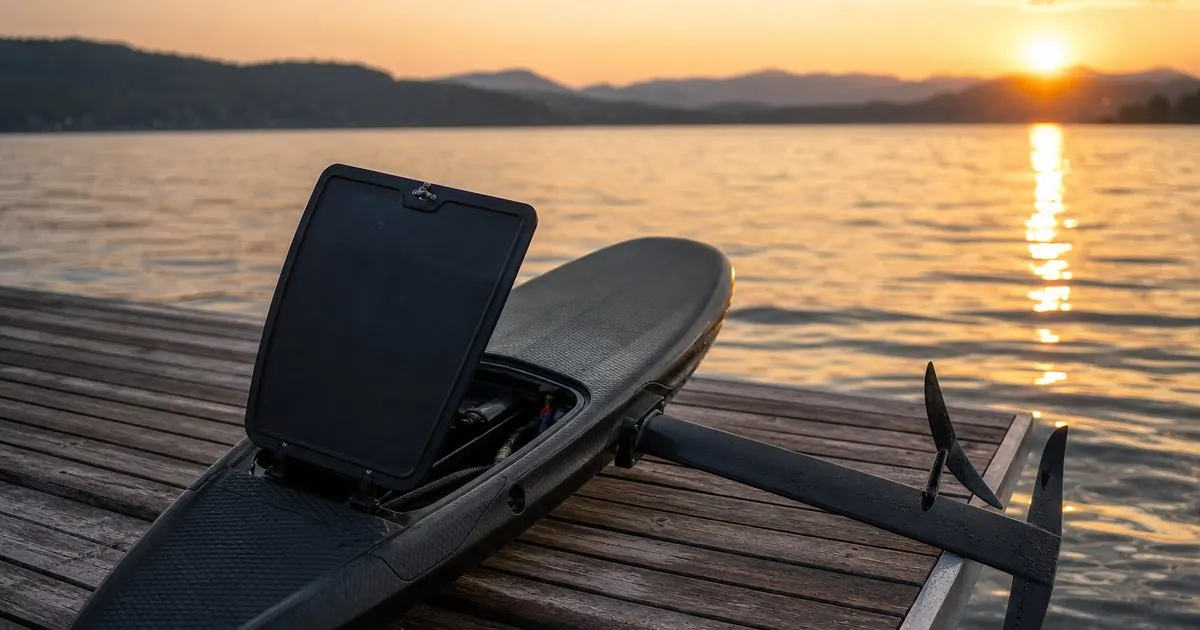
Carbon fiber construction is lighter and stiffer, translating your inputs cleanly, while quality composites cost less and add durability. Sealed electronics and corrosion-resistant hardware matter enormously for saltwater life.
A refined handheld controller offers smooth, predictable throttle and clear feedback on battery state. Abrupt or laggy control undermines confidence, especially in the first hours of learning to fly.
Look for a reliable magnetic kill switch, a well-guarded propulsion unit, and stable low-speed behavior. Thoughtful safety design protects both the rider and everyone sharing the water nearby.
A calm, three step way to arrive at the right choice with confidence.
Weigh volume and wing choice against your weight, fitness, and typical conditions. A board sized for calm bays behaves very differently in open swell, so choose for where you will actually ride.
Estimate ride time honestly at cruising speed, then consider a spare battery for longer sessions. Range claims assume ideal conditions; your weight and pace will shorten them meaningfully.
Budget for lessons and protective gear, and start on a stable, higher-volume setup. Skill built early on forgiving equipment makes the eventual move to an agile board far more rewarding.
A clear sense of what to expect at every level, from entry to bespoke. Independent guidance, never a sales pitch.
Figures are typical US market ranges to guide your planning, not quotes.

This guide is produced by an independent editorial desk that studies electric hydrofoil boards alongside experienced riders. We accept no payment to favor a maker, and we judge boards by how they fly, how they last, and how well they help owners progress.
Many riders find their feet within a few sessions on a stable, higher-volume board, especially with instruction. Progress depends on water conditions, fitness, and starting on forgiving equipment rather than an agile board.
Premium batteries can support a meaningful ride time, though real range depends on your weight, speed, and conditions. Treat headline figures as ideals and plan sessions around dependable, real-world range.
Carbon is lighter and stiffer, which sharpens response and eases handling out of the water. Whether that justifies the cost depends on your skill and how much you value the refined ride.
Yes. Rinse thoroughly with fresh water, dry connections, and follow the maker's maintenance routine. Sealed electronics and corrosion-resistant hardware make saltwater ownership far less demanding over time.
For longer sessions, a second battery effectively doubles your time on the water and reduces waiting. Many committed riders consider it among the most worthwhile additions to a setup.
No. We are an independent guide comparing options to help you choose, and we may earn a referral fee. Nothing here is financial advice; read it as considered editorial guidance.
Our full buying guide, the price guide, and new research as we publish it. One email, no spam, unsubscribe any time.
The rider guide to premium electric hydrofoil boards. Independent guidance, written to help you choose well.
Read the complete guide