
Electric Hydrofoil (Efoil) Boards
How do you choose the right electric hydrofoil board for calm coastal waters?
Matching board volume, wings, and range to gentle bays and a relaxed, confident ride.
Practical, honest advice from the team behind Efoilvault, written to help you do this well.
Matching board volume, wings, and range to gentle bays and a relaxed, confident ride.
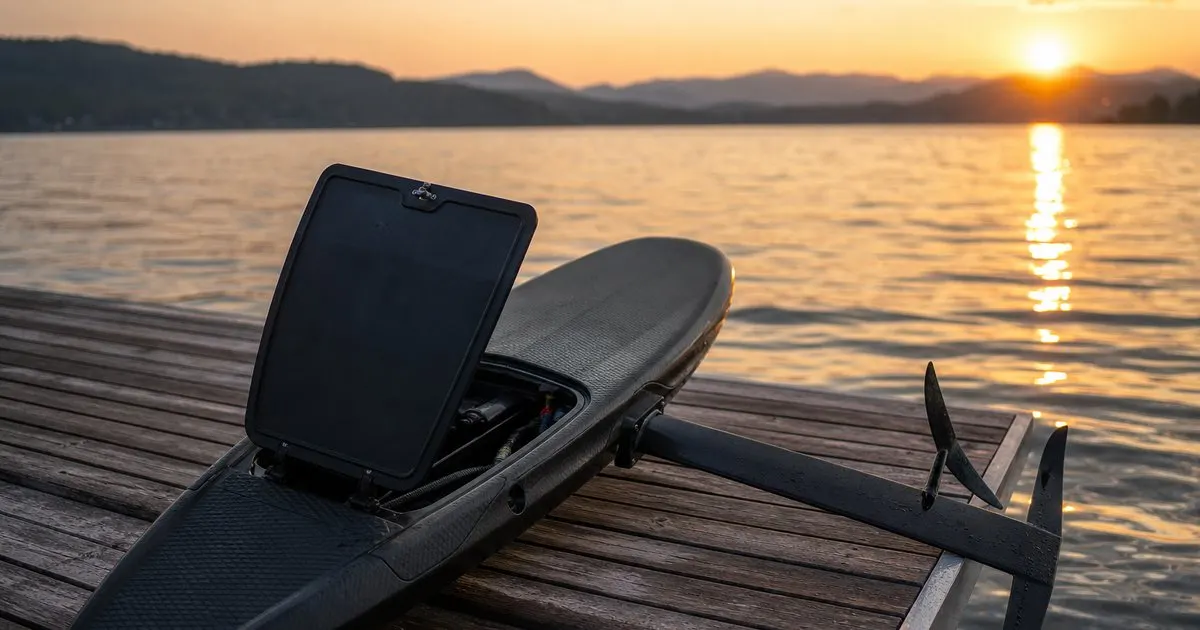
Separating headline range figures from the dependable ride time you can actually plan around.
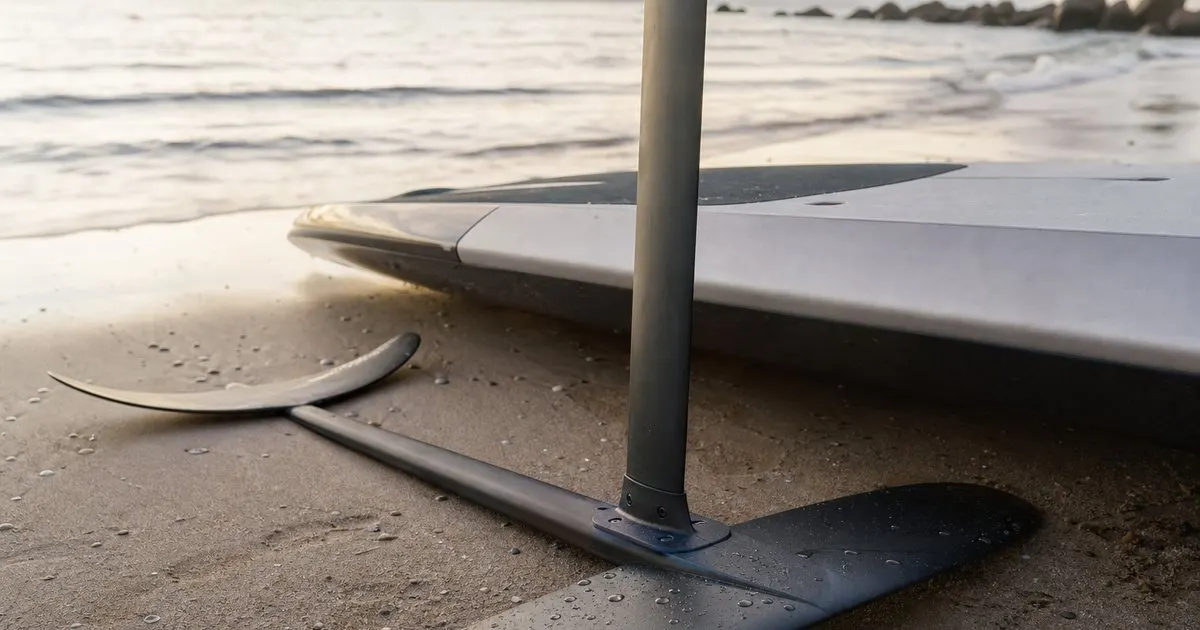
How front wing size and mast length shape stability, lift, and the ease of your first sessions.
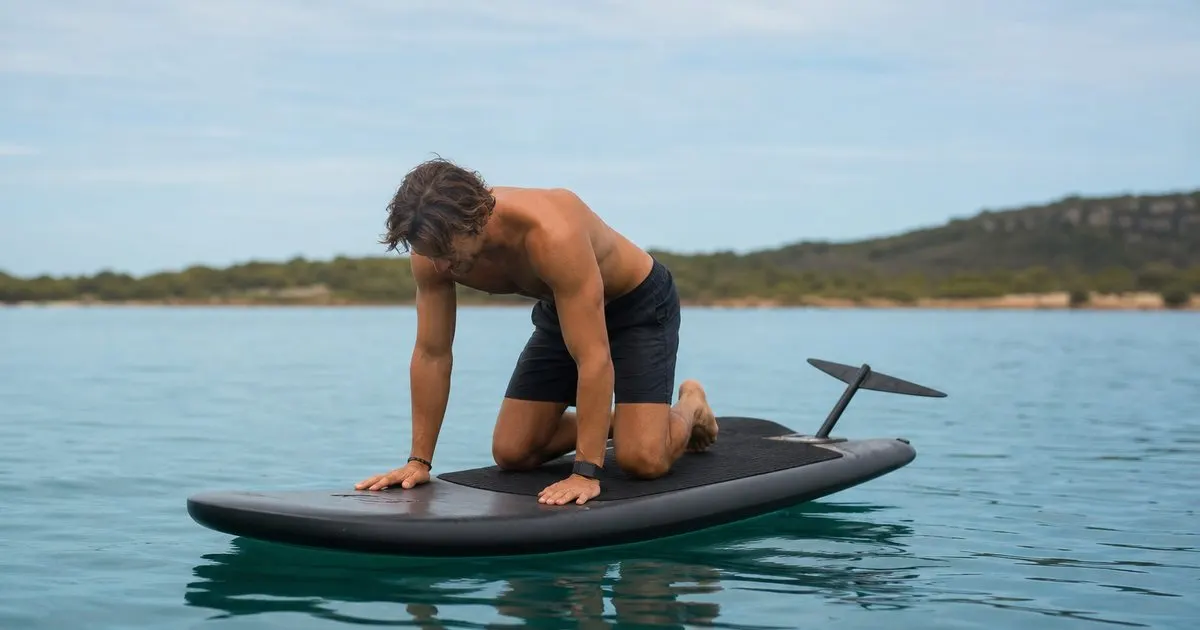
How volume relative to rider weight determines float, balance, and how quickly you learn.
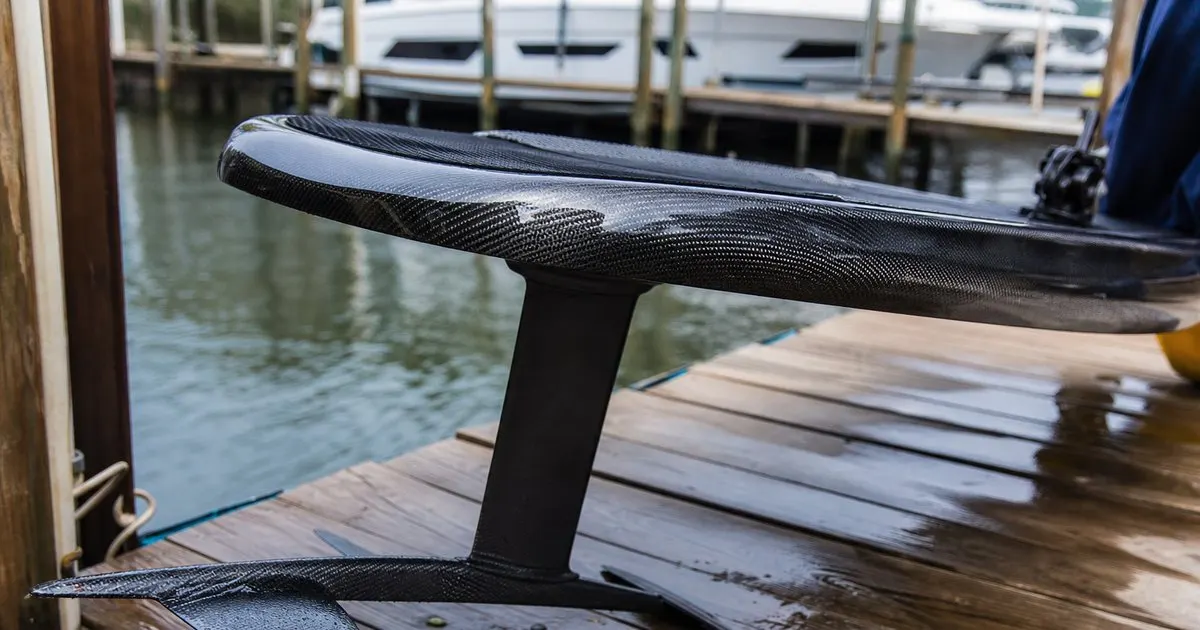
Weighing the lighter weight and sharper response of carbon against durable, value-minded composites.
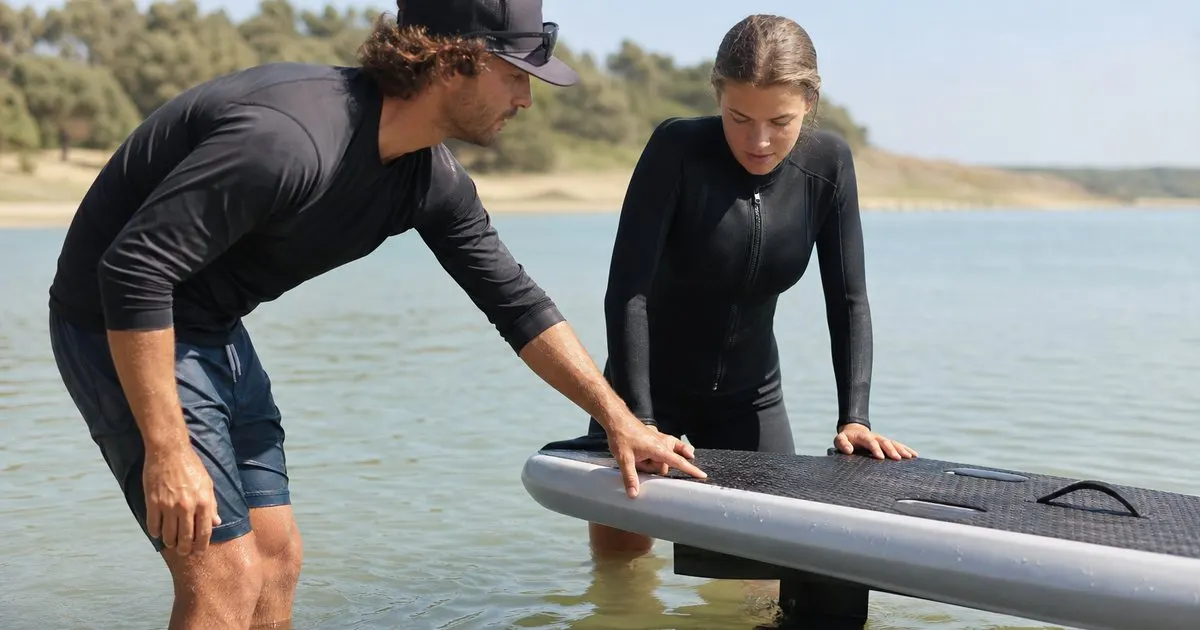
What to expect from your first sessions, and how equipment and instruction shape the curve.
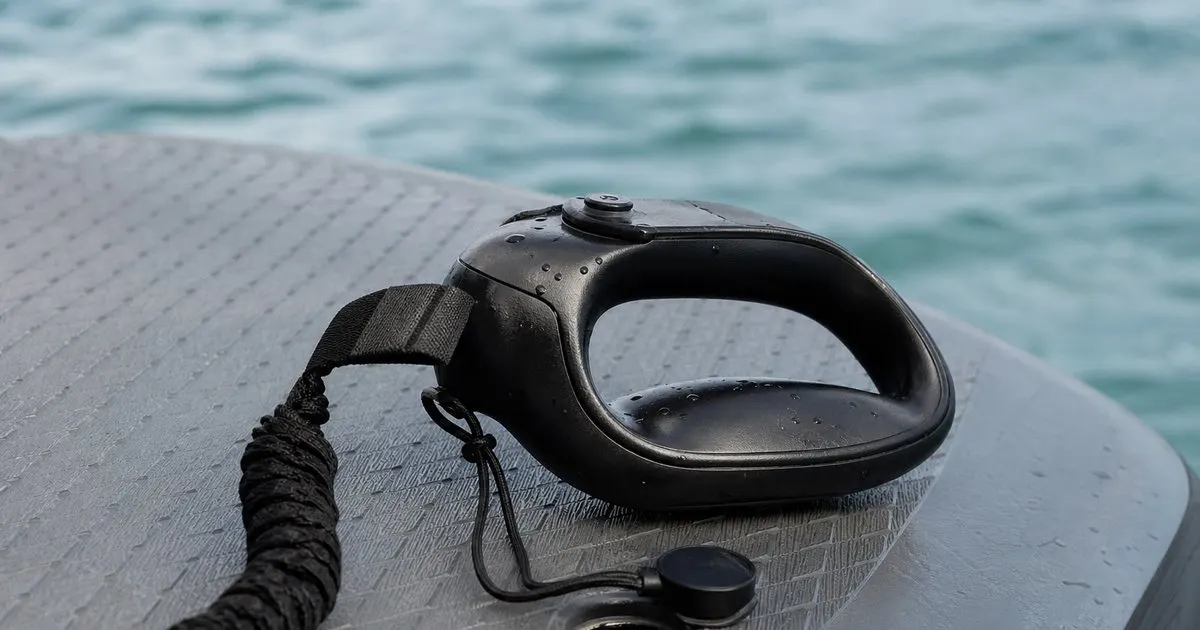
The essential safeguards, from kill switches to propulsion guarding, that protect rider and bystanders.

How board size interacts with swell, chop, and rider weight when the water gets less forgiving.
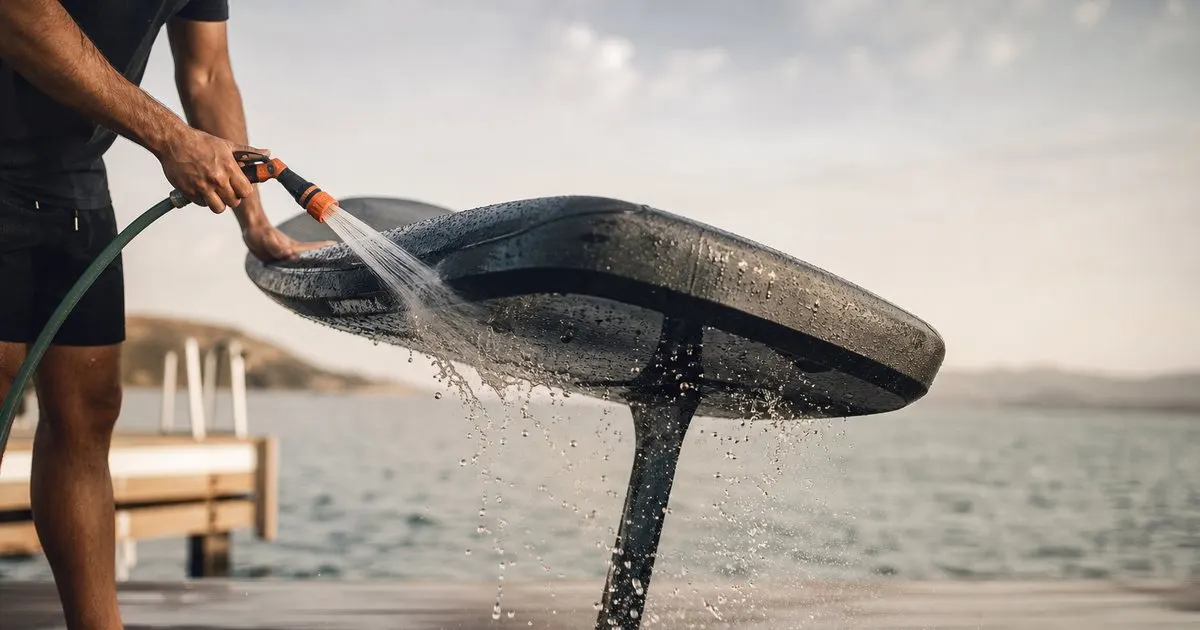
The rinsing, drying, and care routine that protects electronics and hardware from corrosion.
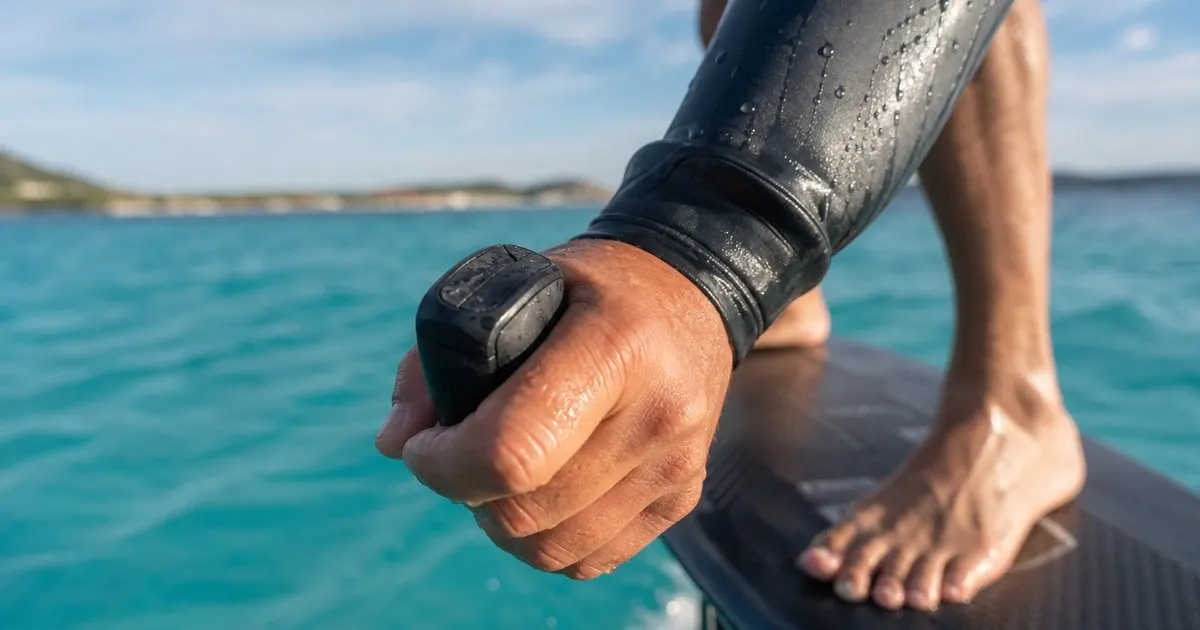
The hand controller is the only part of an electric hydrofoil you touch for the whole ride, yet it rarely gets more than a line on the spec sheet. Here is how to judge one properly before committing to a board.

A luxury efoil is bulky, heavy, and built around a large lithium battery. Moving it in a car, on a boat, or across a border takes more planning than a surfboard, and storing it well protects both the finish and the battery.
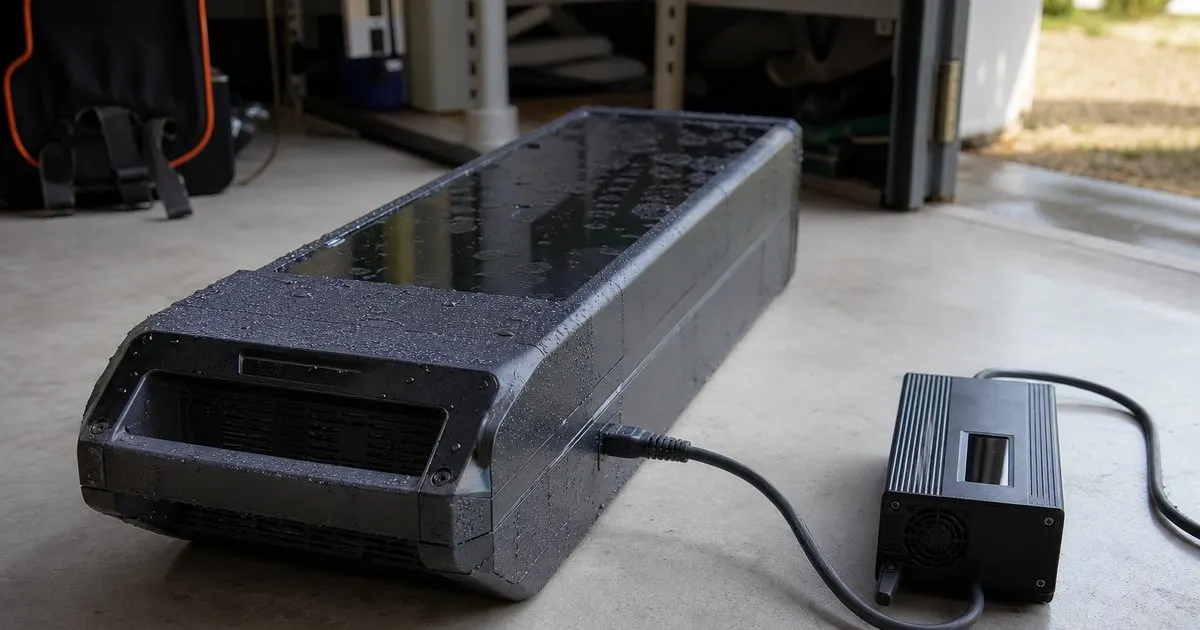
The battery is the most expensive wear item on an electric hydrofoil, and the way you charge and store it matters more than how hard you ride. These habits keep a premium pack healthy for as many seasons as possible.
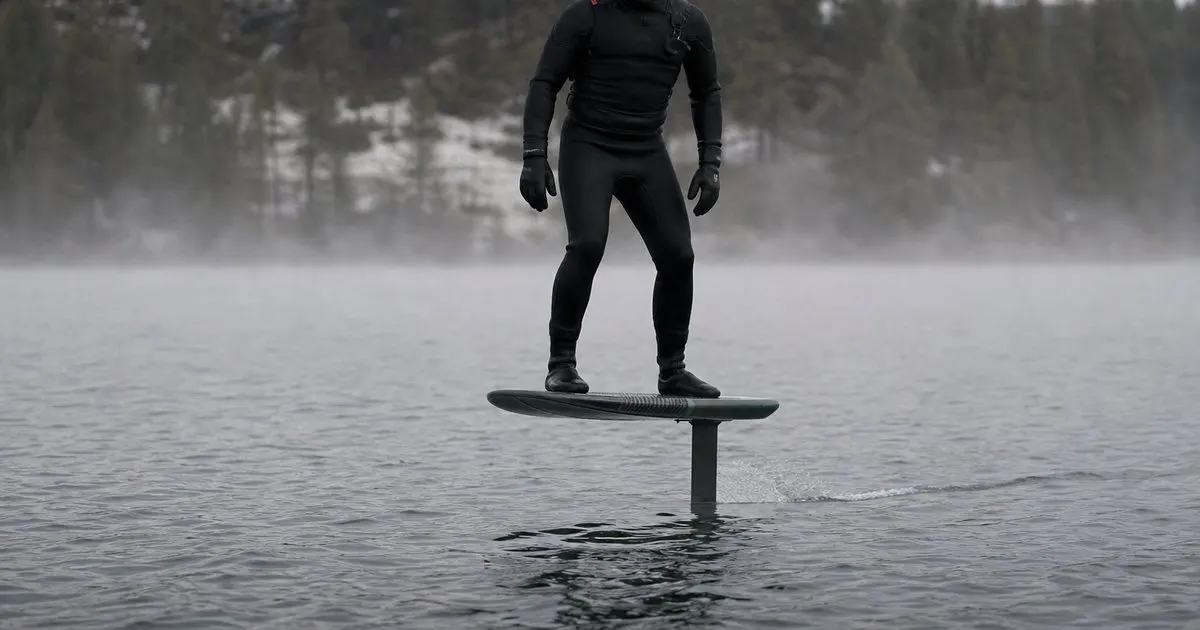
Efoiling feels colder than surfing in the same water because you stand exposed to wind at speed and fall suddenly and fully. The right neoprene, gloves, and safety habits turn a shivering twenty minutes into a comfortable hour.
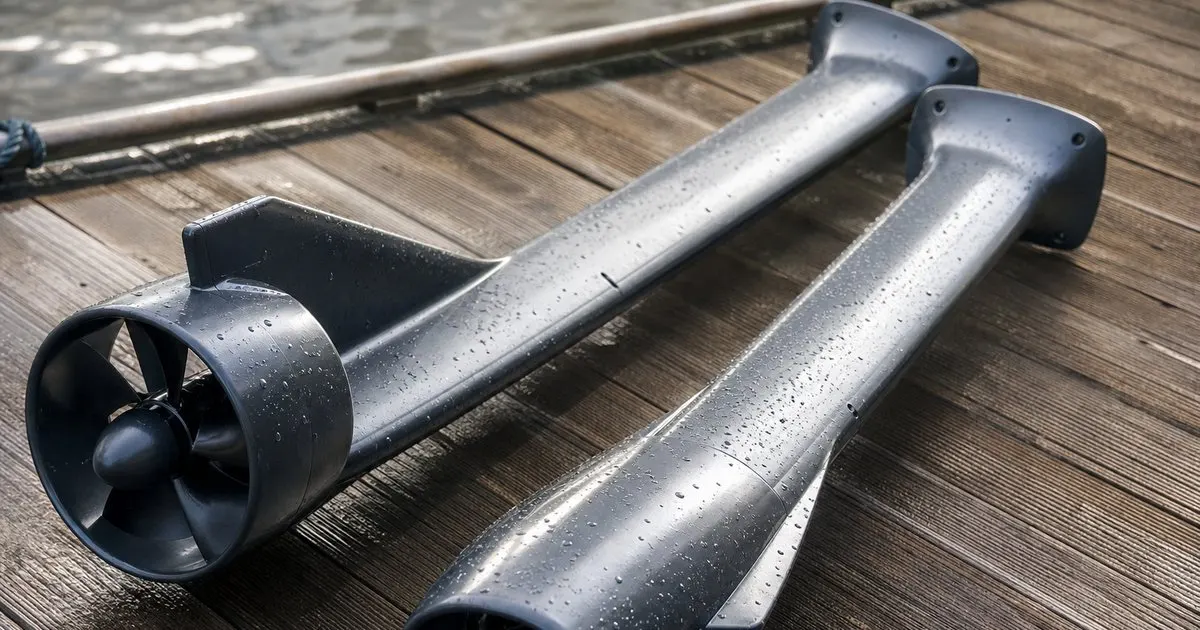
Premium electric hydrofoils use either a guarded propeller or an enclosed jet impeller to push water. Each has real advantages in efficiency, safety, and upkeep, and the right choice depends on who rides and where.

Lakes offer glassy mornings and no salt corrosion, but they bring weeds, submerged hazards, boat traffic, and their own rules. Here is what changes when your premium efoil lives inland.
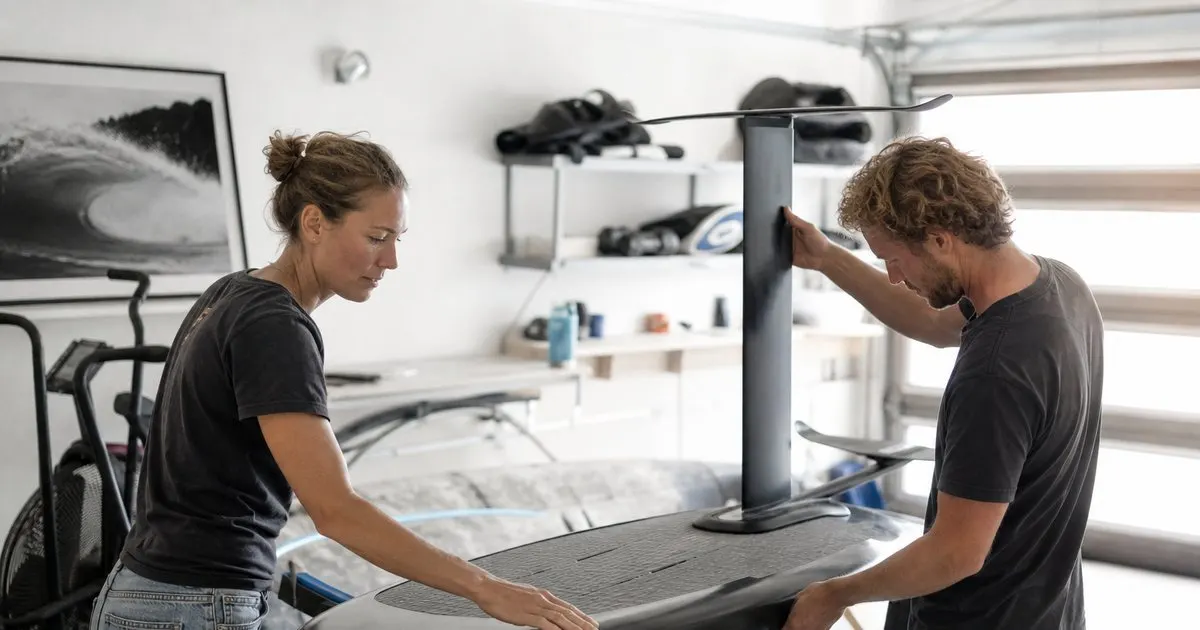
A used premium efoil can save a meaningful sum, but the battery, the hull, and the paperwork can each turn a bargain into a costly mistake. This inspection guide walks through what to check and what to ask.
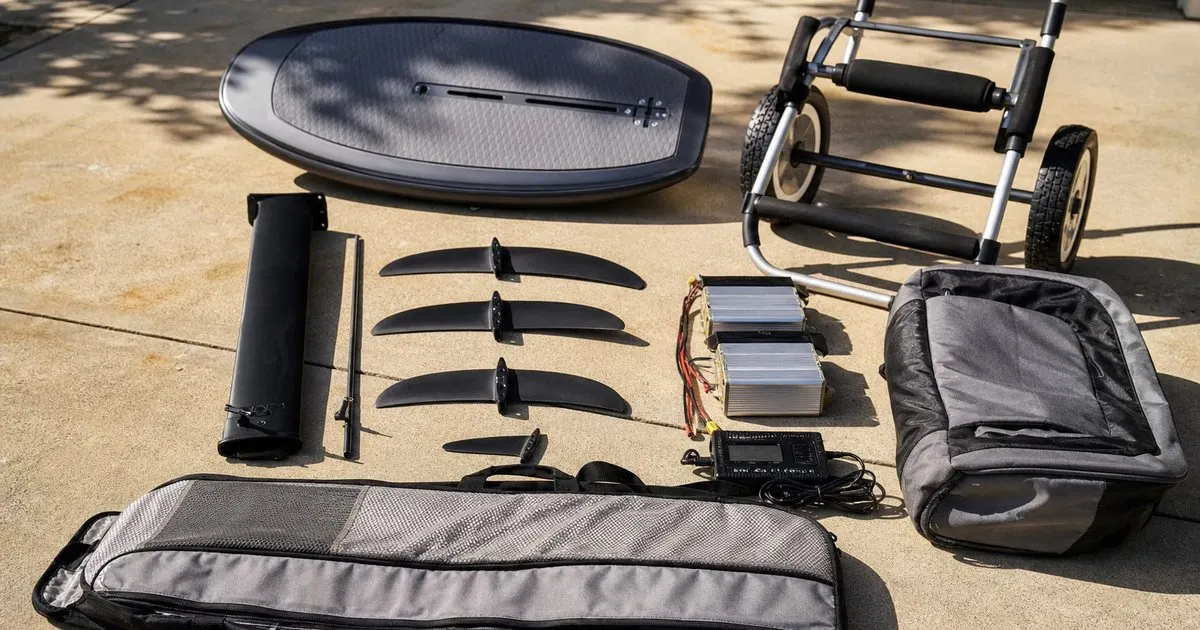
The sticker price of a premium electric hydrofoil is only the beginning. Spare batteries, wings, transport, storage, insurance, and eventual replacements shape the real cost of ownership over the first few seasons.

No spec sheet can tell you how a board feels under your feet, how its throttle responds to your hand, or whether you can lift it. A structured demo is the best money you will spend before buying a premium efoil.
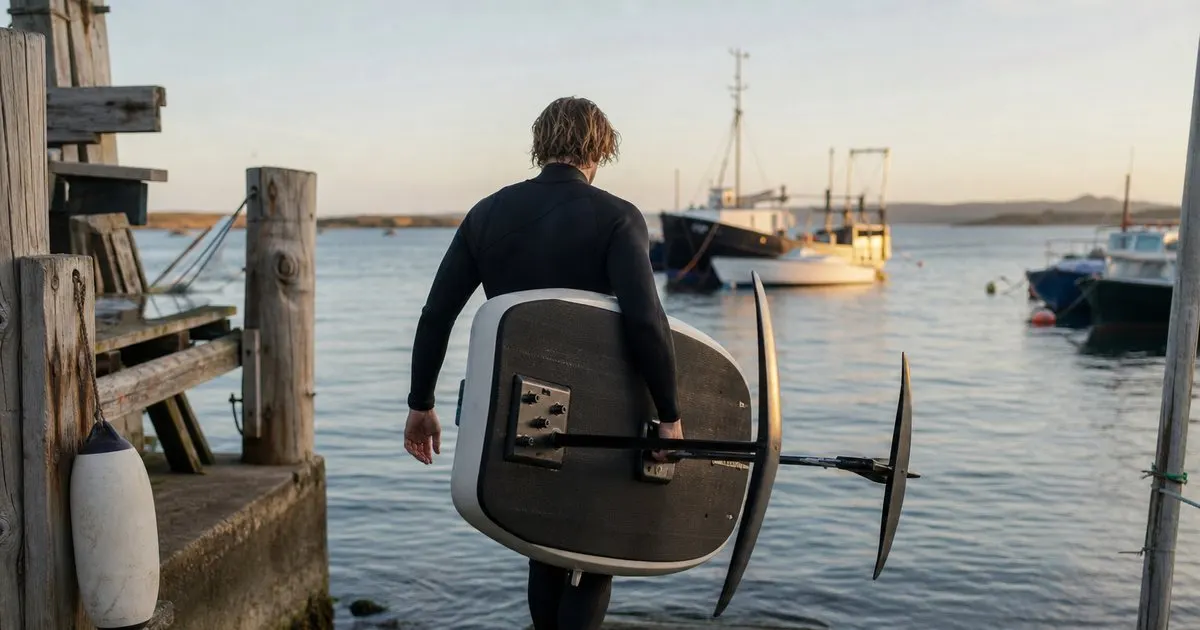
Premium efoils are usually treated as motorized vessels, not surfboards, which means access is decided by harbor masters, park districts, and state boating agencies. Here is how to map the rules before you commit five figures.
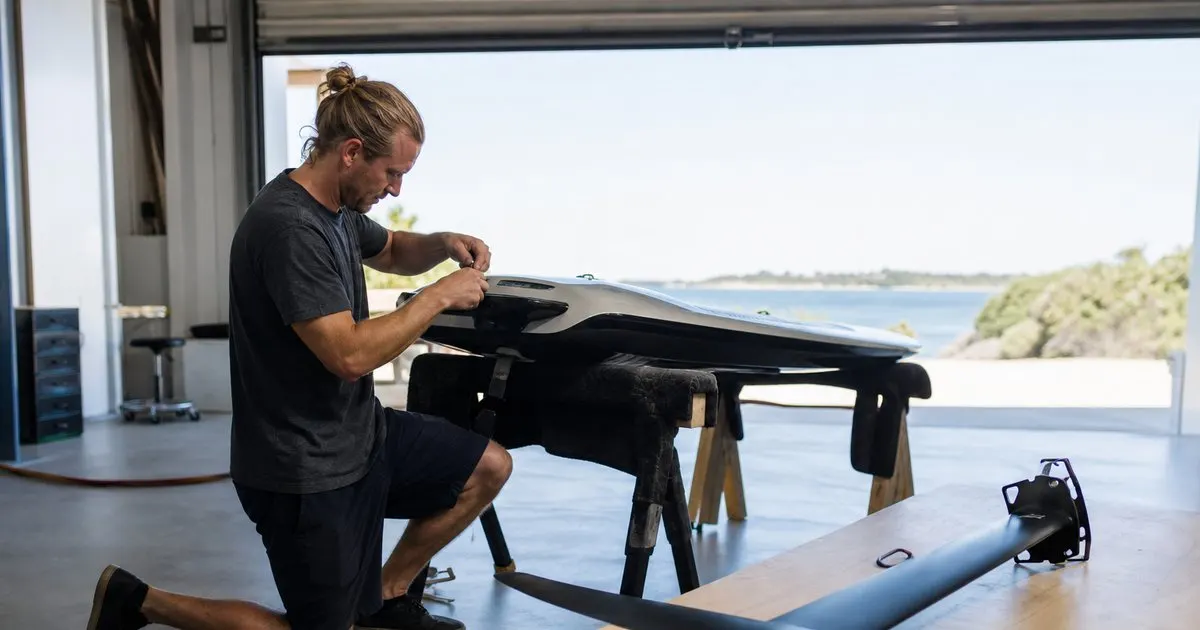
On a premium efoil the warranty splits across hull, drive, and battery, and the service network decides how much of your season a repair costs. Here is what to read and what to ask before the deposit clears.