What should a buyer check before purchasing a pre-owned luxury efoil board?
A used premium efoil can save a meaningful sum, but the battery, the hull, and the paperwork can each turn a bargain into a costly mistake. This inspection guide walks through what to check and what to ask.
Why the battery decides whether a used efoil is a bargain
The single most important question about any pre-owned efoil is the state of its battery. Lithium packs lose capacity with age, cycles, heat, and poor storage, and on a premium board the replacement cost is typically a large fraction of what you would pay for the whole used package. A board that looks pristine but carries a tired battery is not the deal it appears to be, while a scuffed hull with a young, well-kept pack can be excellent value. Related: How do you choose the right electric hydrofoil board for calm coastal waters?
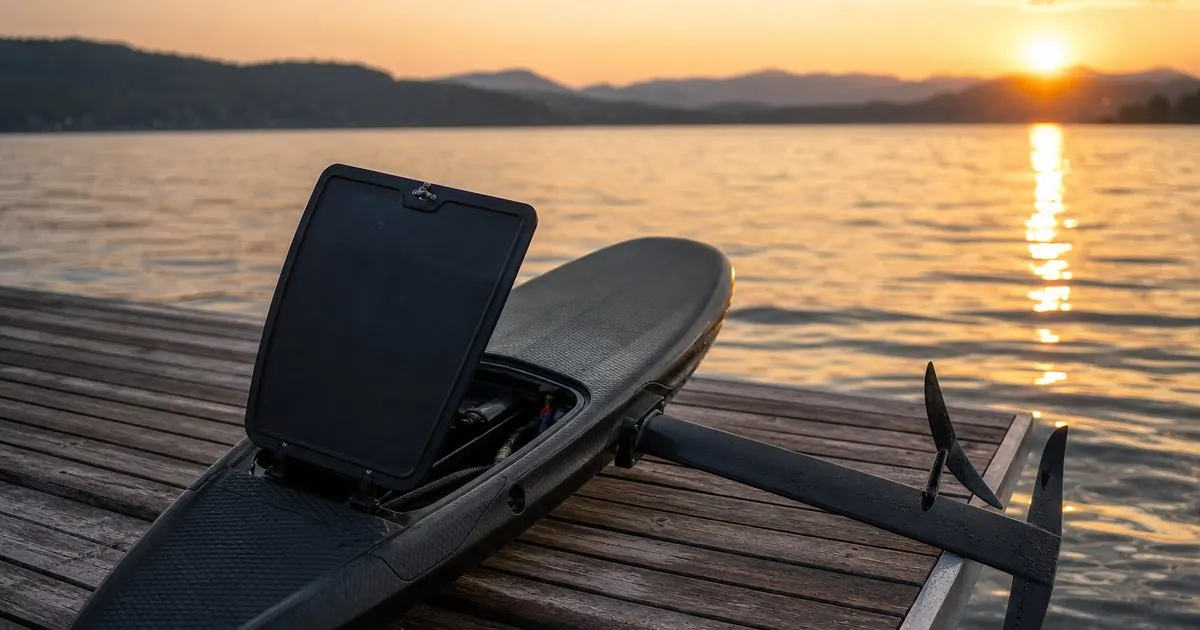
Ask direct questions: how old is the pack, roughly how many sessions has it seen, how was it stored between seasons, and has it ever been submerged or shown an error. If the board or its app reports a cycle count or a health figure, ask to see it. Then ask for a full charge before your visit and watch the ride time yourself, comparing it against what the manufacturer advertises for that model. A seller who cannot or will not answer battery questions is telling you something useful. Related: What battery range should a premium efoil board realistically deliver on a full charge?
Keep reading: How do you choose the right electric hydrofoil board for calm coastal waters?, What battery range should a premium efoil board realistically deliver on a full charge?, Which wing and mast setup suits a beginner learning to ride an efoil?. See how Efoilvault helps you the rider guide to premium electric hydrofoil boards.
Inspecting the hull, mast, and wings in person
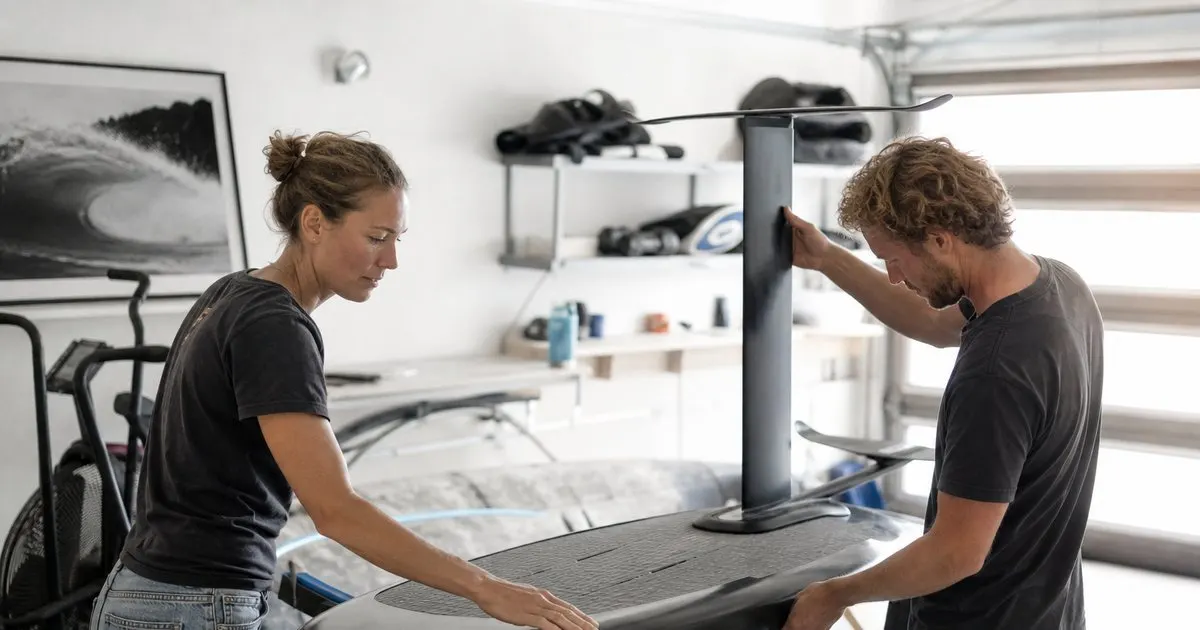
Never buy a used efoil unseen. Run your hands along every rail and across the deck feeling for soft spots, and tap gently with a knuckle listening for dull areas that suggest delamination or water inside the hull. Check the battery bay for corrosion, cracked seals, and any sign of water intrusion. Look closely at the mast track and mounting bolts, since stripped threads or corrosion there are expensive and sometimes unrepairable. Sight down the mast to confirm it is straight. Related: Which wing and mast setup suits a beginner learning to ride an efoil?
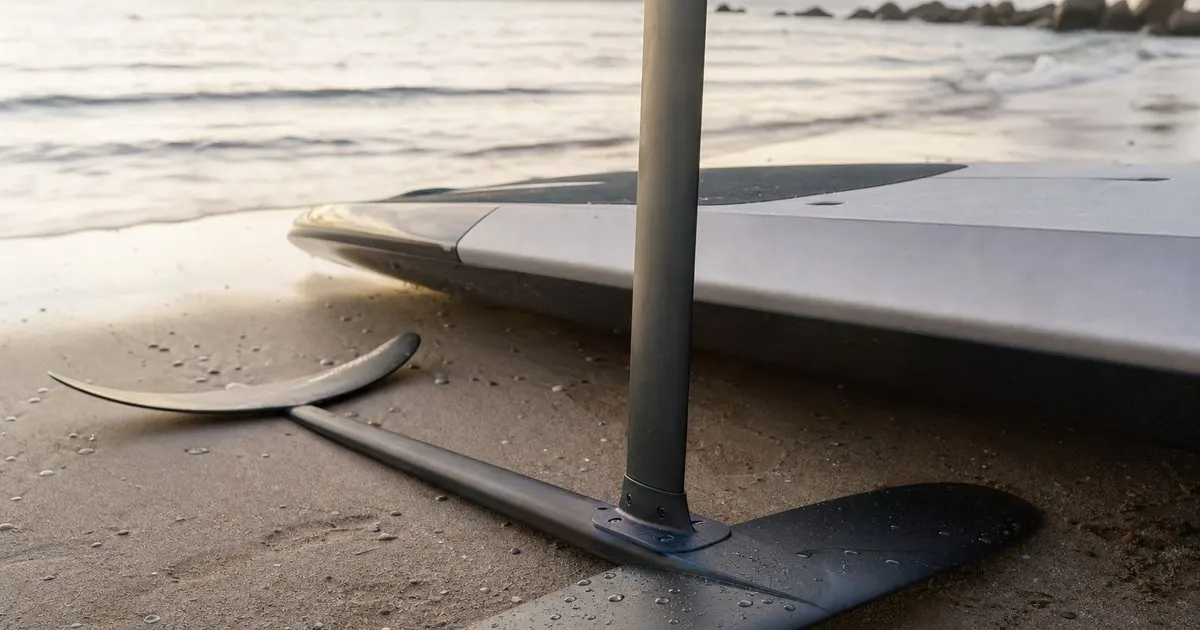
Wings and the propeller or jet take the most abuse. Chips on leading edges and cracks at the fuselage joints matter for both performance and safety, so inspect them under good light. With the battery removed and the board confirmed powered down, spin the prop by hand to feel for roughness in the bearings, and look for a bent blade or a cracked guard. Ask whether any part has been replaced and whether the replacement came from the manufacturer. Cosmetic scuffs are normal and negotiable; structural damage at the mast base or fuselage is a reason to walk away. Related: Why does board volume matter so much for stability on a luxury efoil?
Testing the electronics and riding before money changes hands
Power the board up and pair the controller yourself rather than watching the seller do it. Note how long pairing takes and whether any warnings or error codes appear. Check that the controller charges, that its screen is readable, and that all buttons work. If the manufacturer offers an app, connect it and look for firmware version, logged faults, and battery data. Then ride it, ideally for long enough to get on foil and hold a cruise, listening for grinding, whining, or vibration from the motor.
During the ride, fall deliberately and confirm the motor cuts instantly, then check reconnection behavior. Afterward, feel the motor pod and battery for unusual heat. If the seller refuses a ride test, offer to meet at a public launch, pay a refundable deposit, or bring a dealer along; if they still refuse, treat that as a hard no. A private seller with nothing to hide will usually welcome a careful buyer, and many premium dealers will inspect a used board for a modest fee that is small relative to the purchase.
Paperwork, warranty transfer, and where to buy
Ask for the original receipt, the serial numbers on the hull, battery, and controller, and any service records. Contact the manufacturer or an authorized dealer with those serials to confirm the board is not reported stolen, that no recalls are outstanding, and whether any remaining warranty transfers to a second owner, since transfer policies vary and some brands require registration within a set window. A board with a documented service history and a transferable warranty is worth paying more for.
Consider where you buy as carefully as what you buy. Certified pre-owned boards from an authorized dealer generally cost more than private sales but arrive inspected, updated, and often with a short warranty, which is a sensible trade for a first-time buyer. If you buy privately, use a payment method with some recourse, meet in person, and never ship an efoil battery through a consumer carrier, since it is regulated dangerous goods. This site may earn a commission on some new-board links, but the honest advice is that a well-vetted used board can be the better purchase.
- The battery's age, cycles, and storage history matter more than cosmetic condition when valuing a used efoil.
- Inspect the hull for soft spots and water intrusion, and check the mast track, fuselage joints, and prop closely.
- Pair the controller and ride the board yourself, confirming instant motor cutoff on a fall and no fault codes.
- Verify serial numbers, warranty transfer terms, and service history, and consider a dealer inspection before paying.

Julien Jimenez
Julien Jimenez is an independent software builder based in Paris. He designs, ships, and operates focused SaaS products for small businesses and independent professionals. Read the full author page.
Flight Above the Water, Refined
The rider guide to premium electric hydrofoil boards. Efoilvault is built to help you put this into practice.
Compare boardsMore from the Efoilvault blog

How do you choose the right electric hydrofoil board for calm coastal waters?
What battery range should a premium efoil board realistically deliver on a full charge?
Which wing and mast setup suits a beginner learning to ride an efoil?
Get the complete electric hydrofoil (efoil) boards guide
Our full buying guide, the price guide, and new research as we publish it. One email, no spam, unsubscribe any time.