How does riding an efoil on a freshwater lake differ from ocean use?
Lakes offer glassy mornings and no salt corrosion, but they bring weeds, submerged hazards, boat traffic, and their own rules. Here is what changes when your premium efoil lives inland.

Buoyancy, lift, and the subtle physics of fresh water
Fresh water is slightly less dense than seawater, so a board floats a touch lower and a wing generates marginally less lift at the same speed. For most riders on most premium boards the effect is small enough to go unnoticed, but it is real at the margins: a heavier rider on a small wing may find the lowest speed at which the board stays on foil is a little higher on a lake than on the coast. If you are choosing a wing specifically for lake use, err toward the larger option in the range you are considering. Related: What battery range should a premium efoil board realistically deliver on a full charge?
Water temperature is the other quiet variable. Shallow lakes in midsummer can be warmer than the ocean, and warm water reduces how efficiently the motor and battery shed heat during a long session. Most premium systems manage this with thermal limits that reduce power rather than causing damage, but it is worth knowing that a hot August afternoon on a shallow lake is the scenario most likely to trigger those limits. Riding in the morning, when both the air and the surface layer are cooler, is more pleasant and kinder to the electronics. Related: Are carbon fiber efoil boards genuinely worth the premium over composite alternatives available?
Keep reading: How do you choose the right electric hydrofoil board for calm coastal waters?, What battery range should a premium efoil board realistically deliver on a full charge?, Which wing and mast setup suits a beginner learning to ride an efoil?. See how Efoilvault helps you the rider guide to premium electric hydrofoil boards.
Weeds, stumps, and reading a lake bottom
Ocean riders rarely think about the bottom, but a lake rider must. A hydrofoil mast extends well below the hull, and a submerged stump, sandbar, rock shelf, or old dock piling can stop a wing dead and throw the rider forward. Learn the lake before you ride it fast: study depth charts if they exist, ask local boaters, and cruise new areas slowly at first. Drop-offs near dam faces, creek mouths, and points are common spots for surprises. Keep a healthy depth margin under the wing, especially in late summer when water levels fall. Related: Which wing and mast setup suits a beginner learning to ride an efoil?
Weeds are the everyday nuisance. Milfoil, hydrilla, and native grasses grow toward the surface through the season, and a wing or prop will collect them until the board loses thrust or lift. Learn to feel the sudden drag, stop, and clear the foil by hand or with a quick reverse if your board supports it. Some riders keep a small folding knife on their vest for stubborn wraps. Riding a little farther from shore in deeper water usually avoids the worst of it, and it also keeps you clear of swimmers and docks.
Glass, wakes, and lake etiquette
The reward for lake riding is the morning glass. Wind is often calm at dawn, the surface turns to a mirror, and an efoil in that environment is about as close to silent flight as watersports get. Later in the day, boat wakes become both the hazard and the playground: experienced riders carve and pump across wakes for a surf-like feel, while beginners should treat them as obstacles to cross at an angle with knees soft. Always look for the boat that made the wake, because where there is one there is often a second.
Etiquette matters more on a lake because everyone shares a small space. Stay well clear of swimmers, anglers, and anchored boats, give docks and shorelines a wide berth, and respect no-wake zones even though a foiling board makes almost no wake, since the rule is usually applied to any motorized craft. Many lakes have homeowner associations or local ordinances with quiet hours or restrictions on motorized watercraft, and an efoil is often treated as one. A rider who is courteous and predictable is the best advocate for the sport on waters where it is still new. Related: How do you choose the right electric hydrofoil board for calm coastal waters?
Maintenance and permits when the salt is gone
Freshwater is kinder to metal and electronics, but it does not eliminate maintenance. Algae, silt, and tannins still coat the mast and motor, and calcium in hard water leaves deposits on fittings. Rinse after every session, especially the prop, guard, and mast track, and dry the board before bagging it. Check bolt threads and the mast base for grit, which is the freshwater equivalent of salt crystals in wearing down fittings over a season.
Many states and lake authorities enforce clean, drain, and dry rules at boat ramps to stop the spread of invasive species, and an efoil that travels between lakes falls under those rules just like a boat. Some states also classify motorized boards as vessels requiring registration, safety equipment, or an operator age minimum. Before your first lake session, check the state boating agency and the specific lake's rules, and carry whatever documentation is required. A five-minute call to the local marina often answers every question and avoids an awkward conversation with a warden.
- Fresh water gives marginally less lift and buoyancy, so lean toward the larger wing when choosing for lake use.
- Learn the bottom before riding fast, keep depth under the wing, and expect weeds to foul the foil through summer.
- Ride the dawn glass, cross wakes at an angle, and stay well clear of swimmers, docks, and anchored boats.
- Rinse after every session, follow clean-drain-dry rules between lakes, and check state registration requirements.

Julien Jimenez
Julien Jimenez is an independent software builder based in Paris. He designs, ships, and operates focused SaaS products for small businesses and independent professionals. Read the full author page.
Flight Above the Water, Refined
The rider guide to premium electric hydrofoil boards. Efoilvault is built to help you put this into practice.
Compare boardsMore from the Efoilvault blog

How do you choose the right electric hydrofoil board for calm coastal waters?
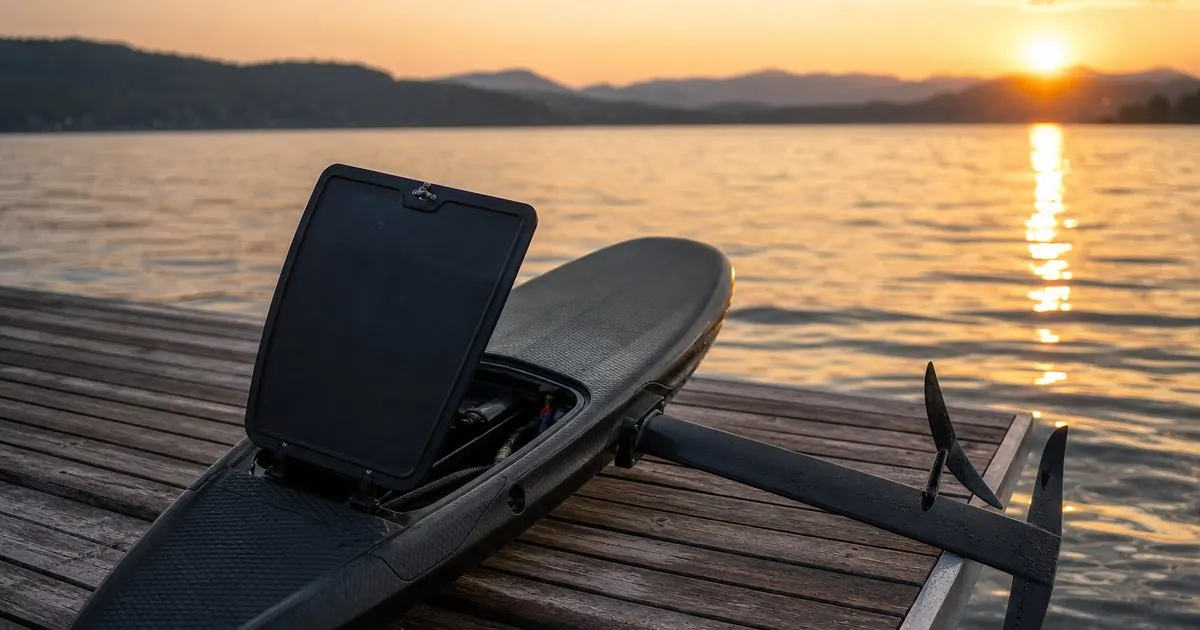
What battery range should a premium efoil board realistically deliver on a full charge?
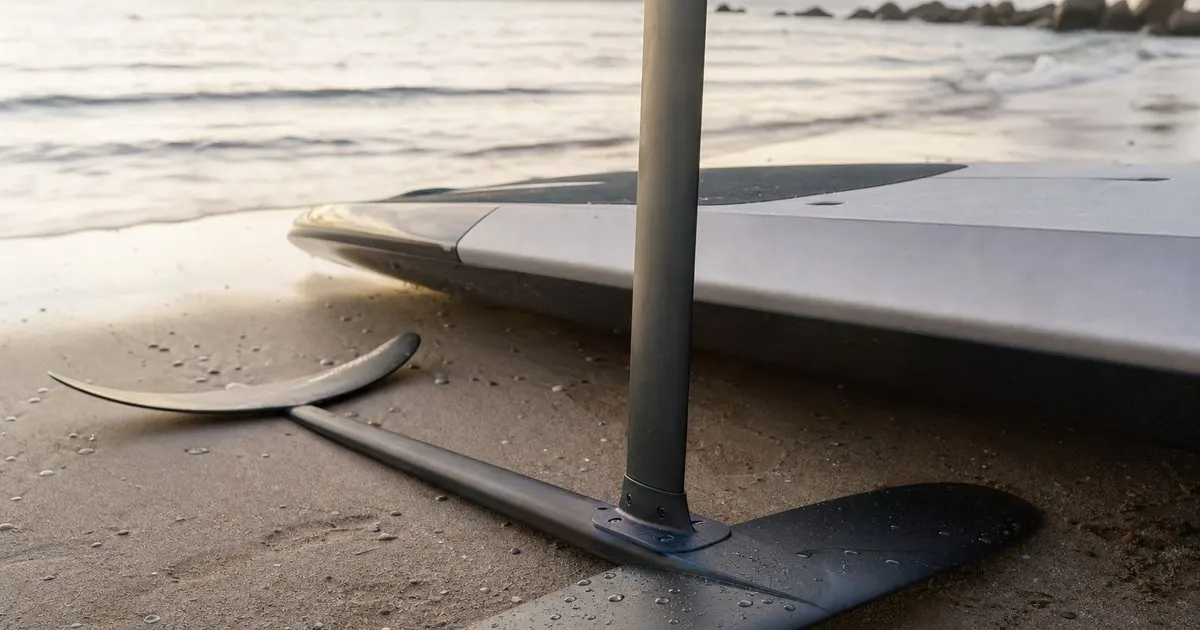
Which wing and mast setup suits a beginner learning to ride an efoil?
Get the complete electric hydrofoil (efoil) boards guide
Our full buying guide, the price guide, and new research as we publish it. One email, no spam, unsubscribe any time.