Are carbon fiber efoil boards genuinely worth the premium over composite alternatives available?
Weighing the lighter weight and sharper response of carbon against durable, value-minded composites.
Carbon fiber is worth the premium for riders who value its lighter weight and sharper, more responsive handling, benefits felt in transport and in flight as skills advance. For beginners and casual owners, a durable, well-made composite can satisfy while saving cost. Judge overall build quality and sealing as much as the material itself.
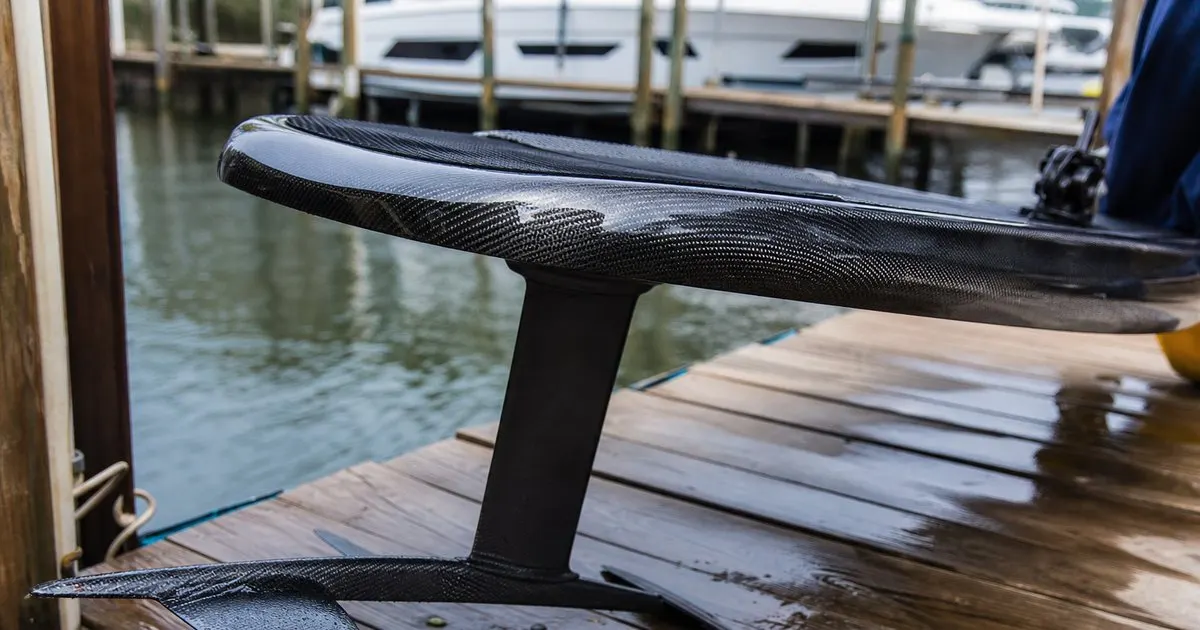
What carbon offers
Carbon fiber is light and stiff, translating rider inputs cleanly and easing handling out of the water. The reduced weight is felt in transport and in flight. Related: Why does board volume matter so much for stability on a luxury efoil?
That stiffness sharpens response, which advanced riders value. Carbon feels precise and refined in a way that suits a premium board. Related: What battery range should a premium efoil board realistically deliver on a full charge?
Keep reading: How do you choose the right electric hydrofoil board for calm coastal waters?, What battery range should a premium efoil board realistically deliver on a full charge?, Which wing and mast setup suits a beginner learning to ride an efoil?. See how Efoilvault helps you the rider guide to premium electric hydrofoil boards.
What composites offer
Quality composite boards cost less and can be very durable, shrugging off knocks that might concern a carbon owner. For many, that resilience is welcome.
The trade is a little more weight and slightly less crispness. For relaxed cruising, that difference may hardly register.
Where the premium pays
Carbon rewards riders who value lightness and sharp handling, especially as skills advance. If you will feel and appreciate the difference, the premium makes sense.
For lifting, carrying, and responsive flight, carbon's advantages are tangible. Committed riders often find it worthwhile.
Where composite suffices
For beginners and casual owners, a durable composite may satisfy completely while saving cost. The learning process is forgiving of the extra weight.
Prioritize overall build quality, sealing, and hardware over the material label alone. A well-made composite beats a poorly made carbon board.
- Carbon fiber is lighter and stiffer, sharpening response
- Quality composites cost less and resist knocks well
- Carbon pays off for riders who value lightness and handling
- Build quality and sealing matter more than the material label

Julien Jimenez
Julien Jimenez is an independent software builder based in Paris. He designs, ships, and operates focused SaaS products for small businesses and independent professionals. Read the full author page.
Frequently asked questions
Does carbon fiber make learning easier?
Its lighter weight helps with carrying and handling, but stability comes mainly from volume and wing choice. Beginners can learn well on a quality composite, so carbon is more about refinement than ease.
Are composite boards less durable?
Not necessarily. Quality composites can be very durable and resist knocks well. Durability depends on construction and sealing rather than simply choosing carbon over composite, so judge the whole build.
Flight Above the Water, Refined
The rider guide to premium electric hydrofoil boards. Efoilvault is built to help you put this into practice.
Compare boardsMore from the Efoilvault blog

How do you choose the right electric hydrofoil board for calm coastal waters?
What battery range should a premium efoil board realistically deliver on a full charge?
Which wing and mast setup suits a beginner learning to ride an efoil?
Get the complete electric hydrofoil (efoil) boards guide
Our full buying guide, the price guide, and new research as we publish it. One email, no spam, unsubscribe any time.