Which wetsuit and gear does a rider need for cold-water efoil sessions?
Efoiling feels colder than surfing in the same water because you stand exposed to wind at speed and fall suddenly and fully. The right neoprene, gloves, and safety habits turn a shivering twenty minutes into a comfortable hour.
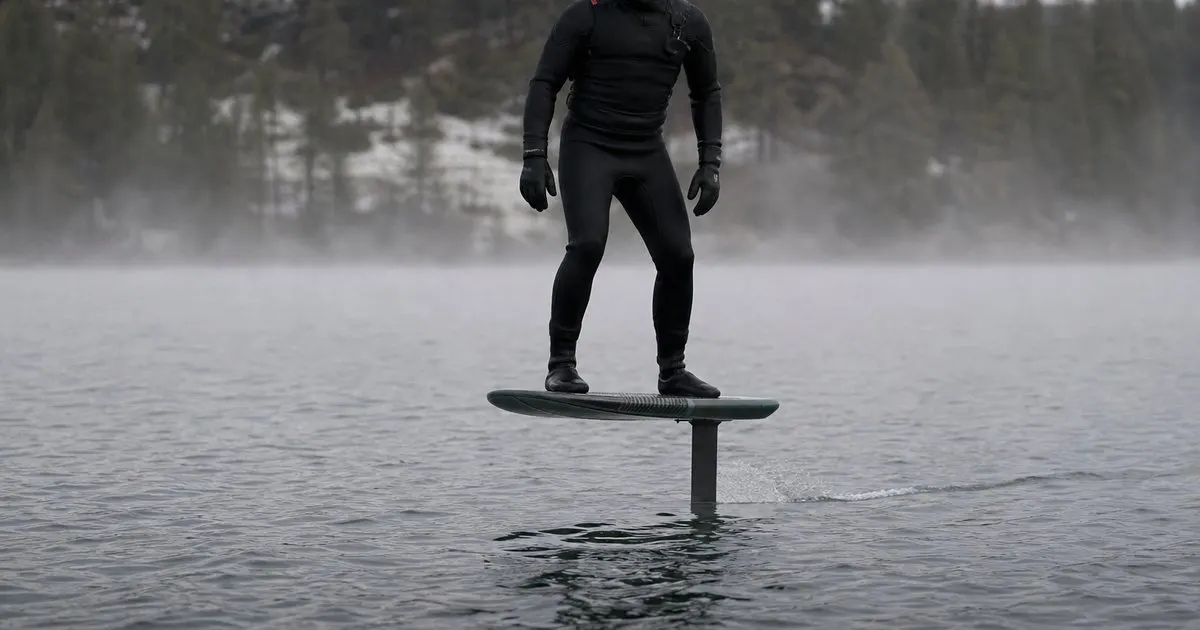
Why efoiling feels colder than surfing in the same water
A surfer spends most of a session sitting low in the water, sheltered from wind, and paddling hard enough to stay warm. An efoiler stands upright a few feet above the surface, moving at speed through air that strips heat away far faster than still air does. That wind chill at foiling speed is the first surprise for anyone who assumes their summer surf wetsuit will carry them into the shoulder seasons. The second surprise is the fall: efoil falls are abrupt, full-body immersions, often with a moment of disorientation, and the cold-shock gasp reflex is a genuine hazard in cold water. Related: How do you choose the right electric hydrofoil board for calm coastal waters?
Sessions also tend to run longer than surf sessions because the motor does the work and there is no waiting for sets. That means a longer cumulative exposure to wind and water. Plan your gear for the coldest moment of the session, which is standing wet on the board with a breeze on your chest after a fall, rather than for the air temperature in the parking lot. If the water is genuinely cold, the ride ends when your hands stop working, so protecting the extremities is the difference between a full battery's worth of riding and turning back early. Related: What battery range should a premium efoil board realistically deliver on a full charge?
Keep reading: How do you choose the right electric hydrofoil board for calm coastal waters?, What battery range should a premium efoil board realistically deliver on a full charge?, Which wing and mast setup suits a beginner learning to ride an efoil?. See how Efoilvault helps you the rider guide to premium electric hydrofoil boards.
Choosing wetsuit thickness and cut for the water you ride
Wetsuit thickness follows water temperature more than air temperature. Riders in mild water often get by with a 3/2 millimeter fullsuit, cooler water usually calls for a 4/3, and cold water pushes most people into a 5/4 with an attached or separate hood. For genuinely frigid lakes and northern coastlines, a drysuit with insulating layers underneath keeps you dry through repeated falls and is the choice many year-round riders make. These are conventions rather than rules, and your own tolerance, body composition, and session length shift them.
Fit matters as much as thickness. A suit that flushes cold water through the neck and wrists on every fall will feel thinner than it is, so favor sealed seams, a snug neck, and wrist and ankle closures that do not gape. The cut should allow a full standing stance with knees bent and arms forward, which is a different range of motion from paddling; try the riding posture in the shop. A front or back zip is personal preference, but remember you will be putting the suit on in a cold parking lot and taking it off with numb fingers.
Hands, feet, and head: the extremities decide the session
Gloves are the awkward item because the controller needs fine thumb or finger control. Thick mittens keep hands warm but make throttle modulation clumsy, so most cold-water riders settle on a thinner neoprene glove with a textured palm and accept slightly cooler hands in exchange for control. Test your controller with the gloves on before buying them. Neoprene booties do double duty by insulating your feet and giving reliable grip on a wet deck, and a thin sock inside adds warmth without bulk.
A hood is the piece riders skip and then regret. A large share of heat loss in cold water happens through the head, and a hood also blunts the cold-shock reflex when you go under suddenly. Choose one that leaves your ears covered but does not muffle your hearing entirely, because you want to hear boats. Earplugs designed for surfers protect against cold-water ear issues over many seasons. If your helmet does not fit over a hood, buy a thinner hood or a larger helmet rather than giving up either one.
Impact vest, helmet, and cold-water safety planning
An impact vest layered over the wetsuit adds core warmth, cushions falls onto the board or foil, and provides some flotation when you are winded from a cold plunge. A helmet is sensible in any water and essential when your hands and reactions are slowed by cold. Wear the remote's wrist lanyard so a fall does not cost you the controller, and clip a small waterproof whistle to the vest. Bright colors on the hood and vest make you easier to spot from a boat in gray winter light. Related: Are carbon fiber efoil boards genuinely worth the premium over composite alternatives available?
Ride with a partner or at least with someone on shore who knows your plan and your expected return time, and shorten sessions in winter even when you feel fine. Early hypothermia looks like clumsiness and poor decisions, which is exactly the state in which you should not be operating a motorized foil far from the beach. Stay within a distance you could swim if the board failed, keep a warm change of clothes and a thermos in the car, and end the session while you still feel good rather than when you start to shiver. Related: How long does it realistically take to learn riding a luxury efoil board?
- Wind chill at foiling speed and sudden full immersion make efoiling colder than surfing in identical water.
- Match wetsuit thickness to water temperature, favor sealed seams and a snug neck, and consider a drysuit for frigid conditions.
- Use thinner gloves that preserve throttle control, warm booties for grip, and a hood to blunt cold shock.
- Layer an impact vest and helmet, ride with a partner, shorten winter sessions, and stop before you shiver.

Julien Jimenez
Julien Jimenez is an independent software builder based in Paris. He designs, ships, and operates focused SaaS products for small businesses and independent professionals. Read the full author page.
Flight Above the Water, Refined
The rider guide to premium electric hydrofoil boards. Efoilvault is built to help you put this into practice.
Compare boardsMore from the Efoilvault blog

How do you choose the right electric hydrofoil board for calm coastal waters?
What battery range should a premium efoil board realistically deliver on a full charge?
Which wing and mast setup suits a beginner learning to ride an efoil?
Get the complete electric hydrofoil (efoil) boards guide
Our full buying guide, the price guide, and new research as we publish it. One email, no spam, unsubscribe any time.