Does saltwater use require special maintenance for a premium electric hydrofoil board?
The rinsing, drying, and care routine that protects electronics and hardware from corrosion.
Yes, saltwater use requires a simple but diligent routine. Rinse the board thoroughly with fresh water after every session, dry the connections and hardware, and protect electrical points as the maker recommends. Store the board dry, care for the battery per guidance, and inspect seals periodically so corrosion never gets a foothold.
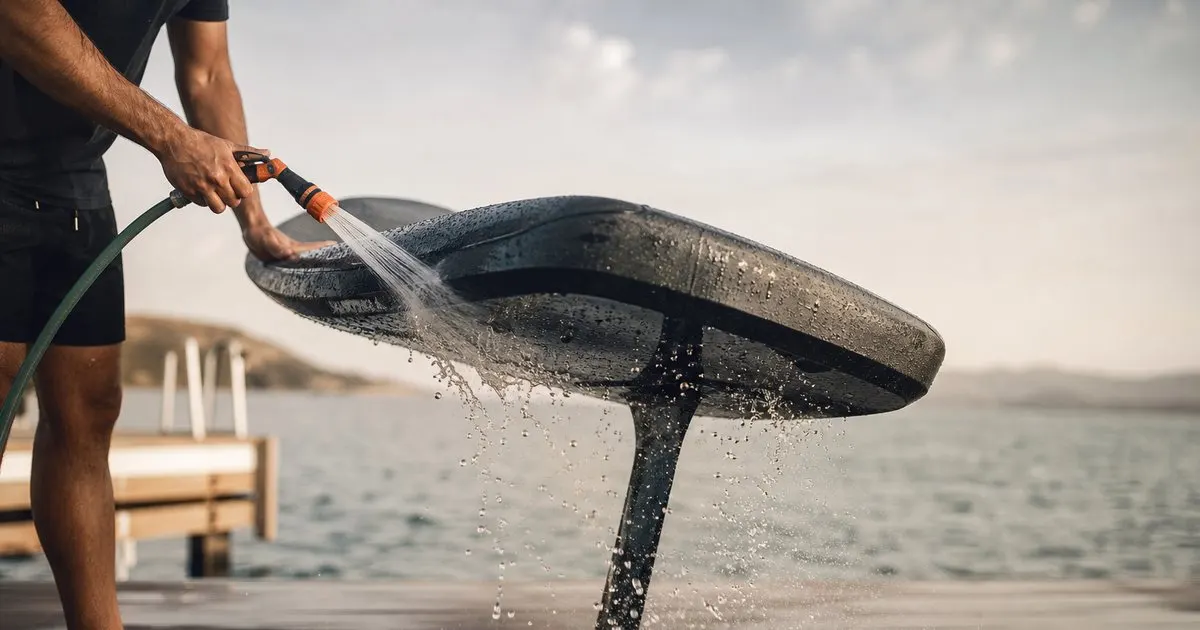
Why saltwater demands care
Salt is corrosive to metals and electronics, so saltwater riding asks for a diligent routine. Neglect shows up as corrosion and premature wear.
Premium boards are built to resist this, but no board is immune. Care preserves both performance and value over the years. Related: What battery range should a premium efoil board realistically deliver on a full charge?
Keep reading: How do you choose the right electric hydrofoil board for calm coastal waters?, What battery range should a premium efoil board realistically deliver on a full charge?, Which wing and mast setup suits a beginner learning to ride an efoil?. See how Efoilvault helps you the rider guide to premium electric hydrofoil boards.
The rinsing routine
Rinse the board thoroughly with fresh water after every saltwater session, paying attention to the propulsion unit and connections. This simple habit prevents most problems. Related: How do you choose the right electric hydrofoil board for calm coastal waters?
Dry connections and hardware before storage. Trapped salt water is where corrosion begins, so drying is as important as rinsing.
Protecting connections
Keep electrical connections clean and consider maker-recommended protectants. Well-sealed electronics and corrosion-resistant hardware make this far easier.
Inspect seals and fasteners periodically for early signs of wear. Catching issues early avoids costly repairs later.
Storage and battery care
Store the board dry and the battery per the maker's guidance, avoiding extremes of heat and cold. Proper storage extends battery life. Related: How do you transport and store a premium efoil board between sessions?
Follow the recommended maintenance schedule rather than waiting for problems. Consistent care is what keeps a premium board reliable in salt water. Related: Are carbon fiber efoil boards genuinely worth the premium over composite alternatives available?
- Salt is corrosive, so saltwater riding needs a routine
- Rinse thoroughly with fresh water after every session
- Dry and protect connections to prevent corrosion
- Store the board dry and follow battery guidance

Julien Jimenez
Julien Jimenez is an independent software builder based in Paris. He designs, ships, and operates focused SaaS products for small businesses and independent professionals. Read the full author page.
Frequently asked questions
Is rinsing after every session really necessary?
Yes. Salt left on the board and in connections corrodes metals and electronics over time. A thorough fresh-water rinse and proper drying after each saltwater session prevents most corrosion issues.
Does saltwater shorten a board's life?
It can if the board is neglected, but a premium board with corrosion-resistant hardware and a diligent care routine holds up well. Consistent rinsing, drying, and inspection preserve performance and value.
Flight Above the Water, Refined
The rider guide to premium electric hydrofoil boards. Efoilvault is built to help you put this into practice.
Compare boardsMore from the Efoilvault blog

How do you choose the right electric hydrofoil board for calm coastal waters?

What battery range should a premium efoil board realistically deliver on a full charge?
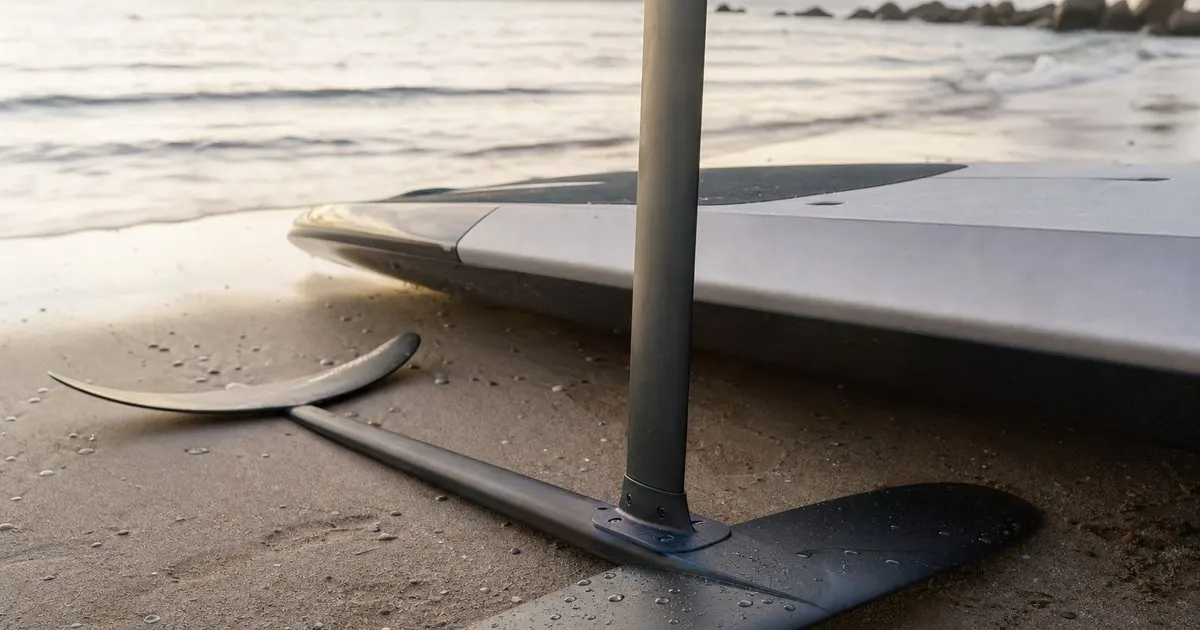
Which wing and mast setup suits a beginner learning to ride an efoil?
Get the complete electric hydrofoil (efoil) boards guide
Our full buying guide, the price guide, and new research as we publish it. One email, no spam, unsubscribe any time.